
Elfik Zohrabyan and His Writing
Beyond Entertainment
Beyond Entertainment
What happens when an Armenian fairy tale reaches readers in Germany? In the case of Elfik Zohrabyan's The Crystal Man - the story of a being who shatters at every act of cruelty and then slowly makes himself whole again - the answer is astonishment. That single image says much about its author, a writer who believes storytelling is not only an art but a moral act, one that illuminates human experience and nurtures empathy across generations.
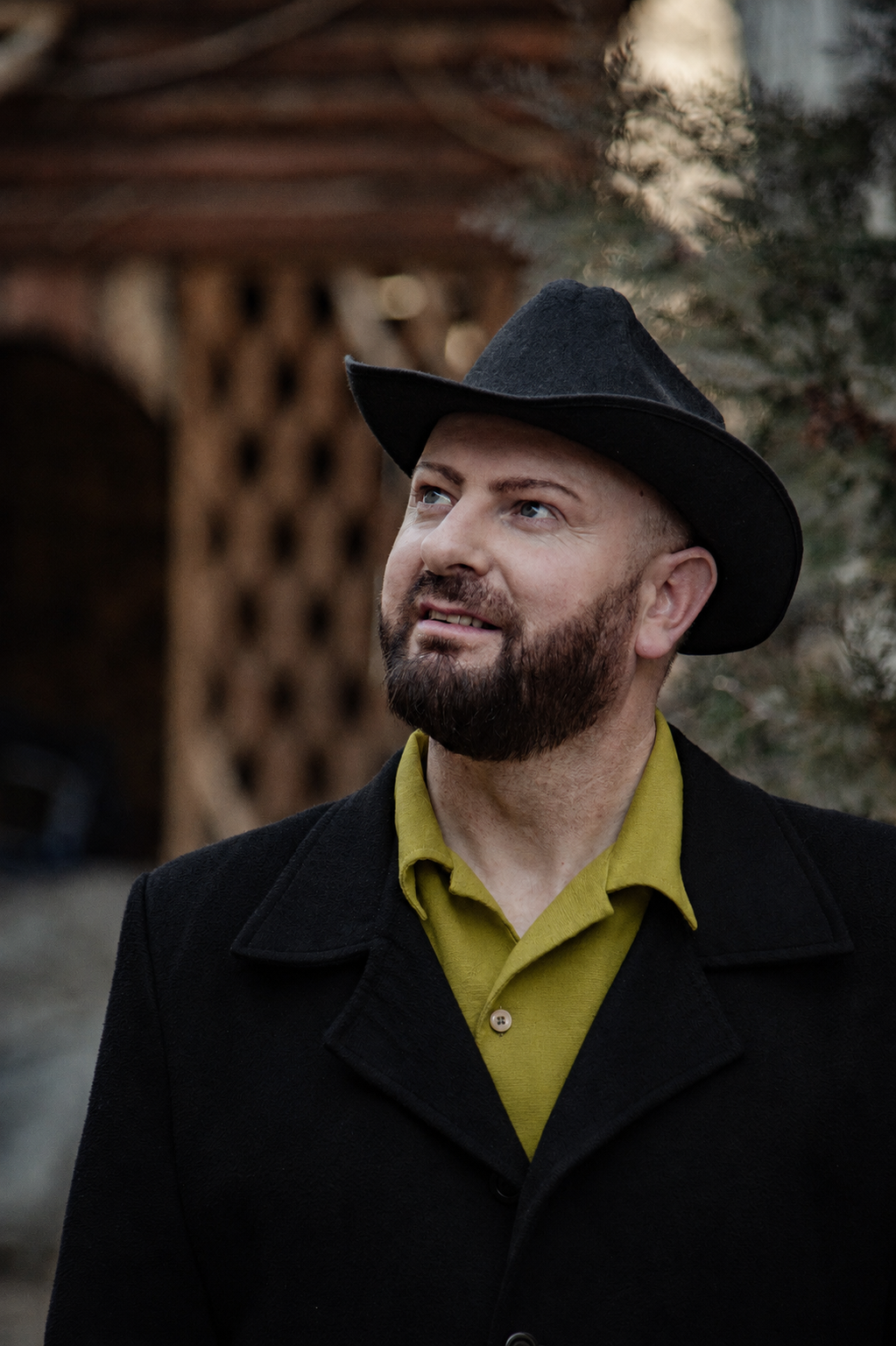

Zohrabyan is a rare kind of artist: playwright, fairy-tale writer, literary translator, actor, and scholar with a PhD, who also directs the Vanadzor Branch of the Yerevan State Institute of Theatre and Film.
As a playwright, he has written numerous works that have been staged by some twenty-five professional theatres in Armenia and abroad.
With several awards to his credit, Zohrabyan is cherished by Armenian readers for his collection The Crystal Man, which garnered him the "Children's Book" award in the Mark Twain International Literary Competition in Montreal. His newest book, February 30, appeared only a few months ago.
In recognition of his service to Armenian culture, he received one of the nation's highest state honors from the President of the Republic of Armenia.
He has translated the plays of William Saroyan into Armenian, represented his country at an international playwrights' workshop in Potsdam, and is also the author of the first methodological guide to the theory of drama ever written in Armenian, a work created for university students.
As a playwright, he has written numerous works that have been staged by some twenty-five professional theatres in Armenia and abroad.
With several awards to his credit, Zohrabyan is cherished by Armenian readers for his collection The Crystal Man, which garnered him the "Children's Book" award in the Mark Twain International Literary Competition in Montreal. His newest book, February 30, appeared only a few months ago.
In recognition of his service to Armenian culture, he received one of the nation's highest state honors from the President of the Republic of Armenia.
He has translated the plays of William Saroyan into Armenian, represented his country at an international playwrights' workshop in Potsdam, and is also the author of the first methodological guide to the theory of drama ever written in Armenian, a work created for university students.
Recently, I caught up with my friend, Elfik, and suggested we do another interview. It has been a few years since I published the last one with Asbarez Armenian News in Los Angeles, and I thought readers, particularly those within the Armenian Diaspora, might like to know about his latest projects and anything else he's been up to. Following is a Q&A interview:
Greg Freeman: I'd love to share what you're up to these days. What new projects are you working on?
Elfik Zohrabyan: Thank you, Greg. Every day of my life feels different and full of color - as if I were entering the world anew each morning. Recently, the Armenian State Theater in Tbilisi, named after Petros Adamyan, staged one of my plays, and I was invited to Georgia for the premiere. It moved me deeply. This theater is 170-years-old, one of the legendary stages where the great Armenian actors once performed, and contemporary Armenian playwrights have rarely been staged there more than once or twice. To be welcomed there a third time felt like a quiet honor. The same play has belonged to the repertoire of our own town's theater, named after Hovhannes Abelyan, since 2019 - a warm and funny production that audiences have taken to.
Greg Freeman: I'd love to share what you're up to these days. What new projects are you working on?
Elfik Zohrabyan: Thank you, Greg. Every day of my life feels different and full of color - as if I were entering the world anew each morning. Recently, the Armenian State Theater in Tbilisi, named after Petros Adamyan, staged one of my plays, and I was invited to Georgia for the premiere. It moved me deeply. This theater is 170-years-old, one of the legendary stages where the great Armenian actors once performed, and contemporary Armenian playwrights have rarely been staged there more than once or twice. To be welcomed there a third time felt like a quiet honor. The same play has belonged to the repertoire of our own town's theater, named after Hovhannes Abelyan, since 2019 - a warm and funny production that audiences have taken to.
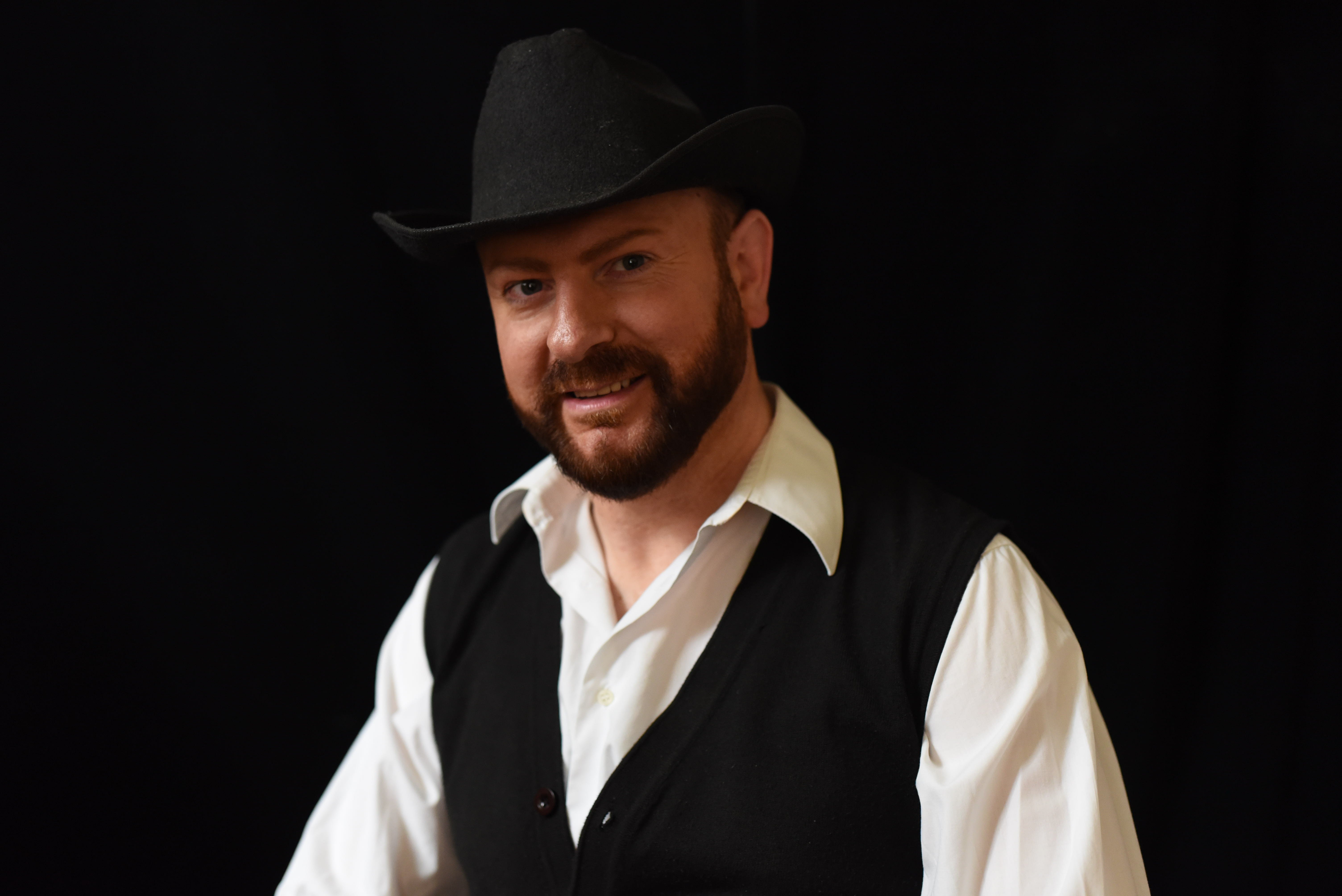
A few months ago my second book of fairy tales, February 30, was published, and I am preparing its presentation. In Vanadzor - Armenia's third-largest city - I like to mark such occasions with something unexpected, a small theatrical surprise rather than an ordinary reading. My days have grown so full that I scarcely find time for myself, yet one project is especially close to me: our theater director, Sargis Manoukyan, offered me an idea for a psychological drama. I have finished writing it, and we hope to stage it within the coming months.
Greg Freeman: Last year, you mentioned that you and your family went on holiday to the Black Sea. Did this trip provide any creative inspiration for a new project? Sometimes, changes of scenery do that for me. Where specifically did you go on the Black Sea? Any standout activities from that trip?
Elfik Zohrabyan: For many years, I lived without holidays. I used to tell myself that rest could wait until old age. In time, I understood something different - it is not only time that is precious, but energy, which must be restored if one hopes to keep creating. So this past year, I allowed myself six or seven days away with my family, on the Georgian coast, in Kobuleti and Ureki.
Closer to home, there is Lake Sevan, where the Writers' Union of Armenia offers its members a few days of quiet rest at a lakeside hotel. I use that chance to write - fairy tales, plays - with the deep blue water and the seagulls visible from the balcony. There is no noise in that part of the lake, and the stillness lets me concentrate. It is also a rare pleasure simply to read by the water. Time passes as quickly as our thoughts; we should enjoy life, in good time and with the people we love, before it grows too late.
Elfik Zohrabyan: For many years, I lived without holidays. I used to tell myself that rest could wait until old age. In time, I understood something different - it is not only time that is precious, but energy, which must be restored if one hopes to keep creating. So this past year, I allowed myself six or seven days away with my family, on the Georgian coast, in Kobuleti and Ureki.
Closer to home, there is Lake Sevan, where the Writers' Union of Armenia offers its members a few days of quiet rest at a lakeside hotel. I use that chance to write - fairy tales, plays - with the deep blue water and the seagulls visible from the balcony. There is no noise in that part of the lake, and the stillness lets me concentrate. It is also a rare pleasure simply to read by the water. Time passes as quickly as our thoughts; we should enjoy life, in good time and with the people we love, before it grows too late.
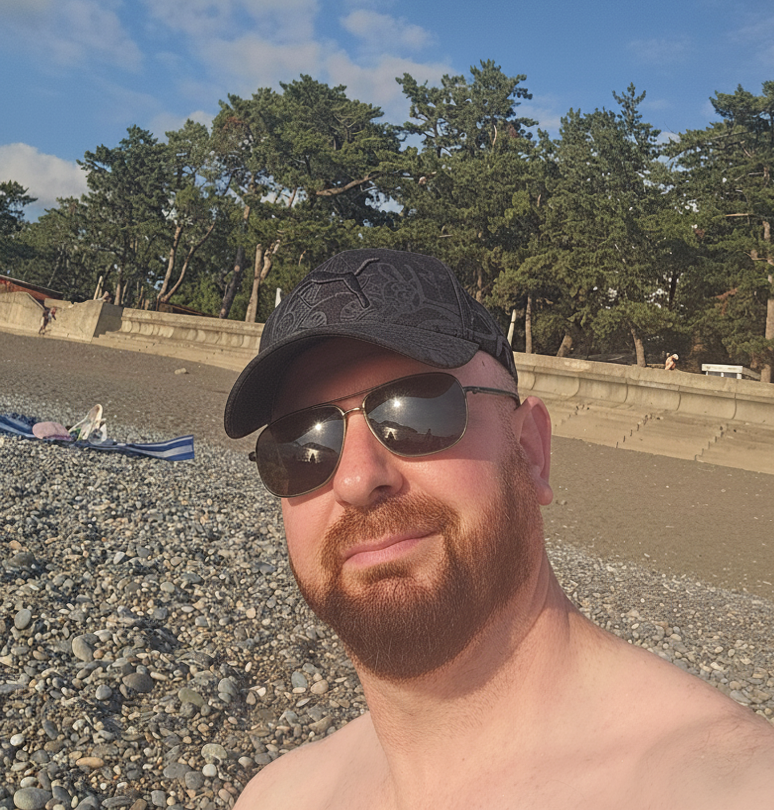
Elfik Zohrabyan on Holiday on Georgia's Black Sea Shore, 2025
ListenHereNow.com can earn commissions from sales generated by affiliate ads, including links to Amazon products. Privacy Policy.
Greg Freeman: I had been most curious about where an Armenian writer might vacation and what he might do for fun.
Elfik Zohrabyan: There is no special place reserved for Armenian writers. Where one goes depends entirely on the contents of one's pocket - it might be a remote village or a European capital.
Greg Freeman: Are you still lecturing regularly to university students?
Elfik Zohrabyan: Yes. I teach in three places - the Vanadzor Branch of the Yerevan State Institute of Theatre and Film, Vanadzor State University, and the Dramatic Studio of the Theatre Workers' Union - covering subjects such as the Theory of Drama, the History of English Literature, Acting, and Scriptwriting. Teaching is also a way of learning. The teacher who keeps studying and who embraces the methods of the twenty-first century is the one who truly succeeds.
I have been leading the Vanadzor Branch of the Yerevan State Institute of Theatre and Film for the past seven years. As the local newspapers mention, the institute has made significant progress in recent years.
Elfik Zohrabyan: There is no special place reserved for Armenian writers. Where one goes depends entirely on the contents of one's pocket - it might be a remote village or a European capital.
Greg Freeman: Are you still lecturing regularly to university students?
Elfik Zohrabyan: Yes. I teach in three places - the Vanadzor Branch of the Yerevan State Institute of Theatre and Film, Vanadzor State University, and the Dramatic Studio of the Theatre Workers' Union - covering subjects such as the Theory of Drama, the History of English Literature, Acting, and Scriptwriting. Teaching is also a way of learning. The teacher who keeps studying and who embraces the methods of the twenty-first century is the one who truly succeeds.
I have been leading the Vanadzor Branch of the Yerevan State Institute of Theatre and Film for the past seven years. As the local newspapers mention, the institute has made significant progress in recent years.
Greg Freeman: Are you still acting on stage?
Elfik Zohrabyan: Yes, though fewer roles than I would like - leading the institute takes much of my time. Still, I keep creating new roles and approaching them in new ways, and each time I find I play a little better than the day before. Acting is like climbing Olympus: one climbs and climbs, and yet the summit of perfection is never quite reached.
Greg Freeman: Are you still acting in television roles? If so, what are some recent projects you worked on?
Elfik Zohrabyan: Most recently, I appeared in an American-Armenian project called Purgatory, alongside American, English, and Armenian actors who spoke English well. Other large projects I had to decline, simply for lack of time. I tend to avoid long television series, because their scripts do not always hold much literary value -- though this year I made an exception for a crime drama of twenty-four episodes, in a smaller role, because the story had clearly found its audience.
One role in particular stays with me. I played one of the most fearsome figures of the Soviet period - a man who led state security in Transcaucasia and, on the secret orders of Stalin and Beria, was responsible for the deaths of 304 people in a single month. He despised the intelligentsia and anyone who thought freely. His name was Mughdusi, born in Nakhichevan, a land that once belonged to the Armenians. The role was shortlisted for Armenia's Artavazd Award, our equivalent of the Tony Awards. The audience truly hated the character - there was even a moment when a woman in the hall grew angry at those applauding me at the end. That was when I understood I had not played him badly.
Elfik Zohrabyan: Yes, though fewer roles than I would like - leading the institute takes much of my time. Still, I keep creating new roles and approaching them in new ways, and each time I find I play a little better than the day before. Acting is like climbing Olympus: one climbs and climbs, and yet the summit of perfection is never quite reached.
Greg Freeman: Are you still acting in television roles? If so, what are some recent projects you worked on?
Elfik Zohrabyan: Most recently, I appeared in an American-Armenian project called Purgatory, alongside American, English, and Armenian actors who spoke English well. Other large projects I had to decline, simply for lack of time. I tend to avoid long television series, because their scripts do not always hold much literary value -- though this year I made an exception for a crime drama of twenty-four episodes, in a smaller role, because the story had clearly found its audience.
One role in particular stays with me. I played one of the most fearsome figures of the Soviet period - a man who led state security in Transcaucasia and, on the secret orders of Stalin and Beria, was responsible for the deaths of 304 people in a single month. He despised the intelligentsia and anyone who thought freely. His name was Mughdusi, born in Nakhichevan, a land that once belonged to the Armenians. The role was shortlisted for Armenia's Artavazd Award, our equivalent of the Tony Awards. The audience truly hated the character - there was even a moment when a woman in the hall grew angry at those applauding me at the end. That was when I understood I had not played him badly.
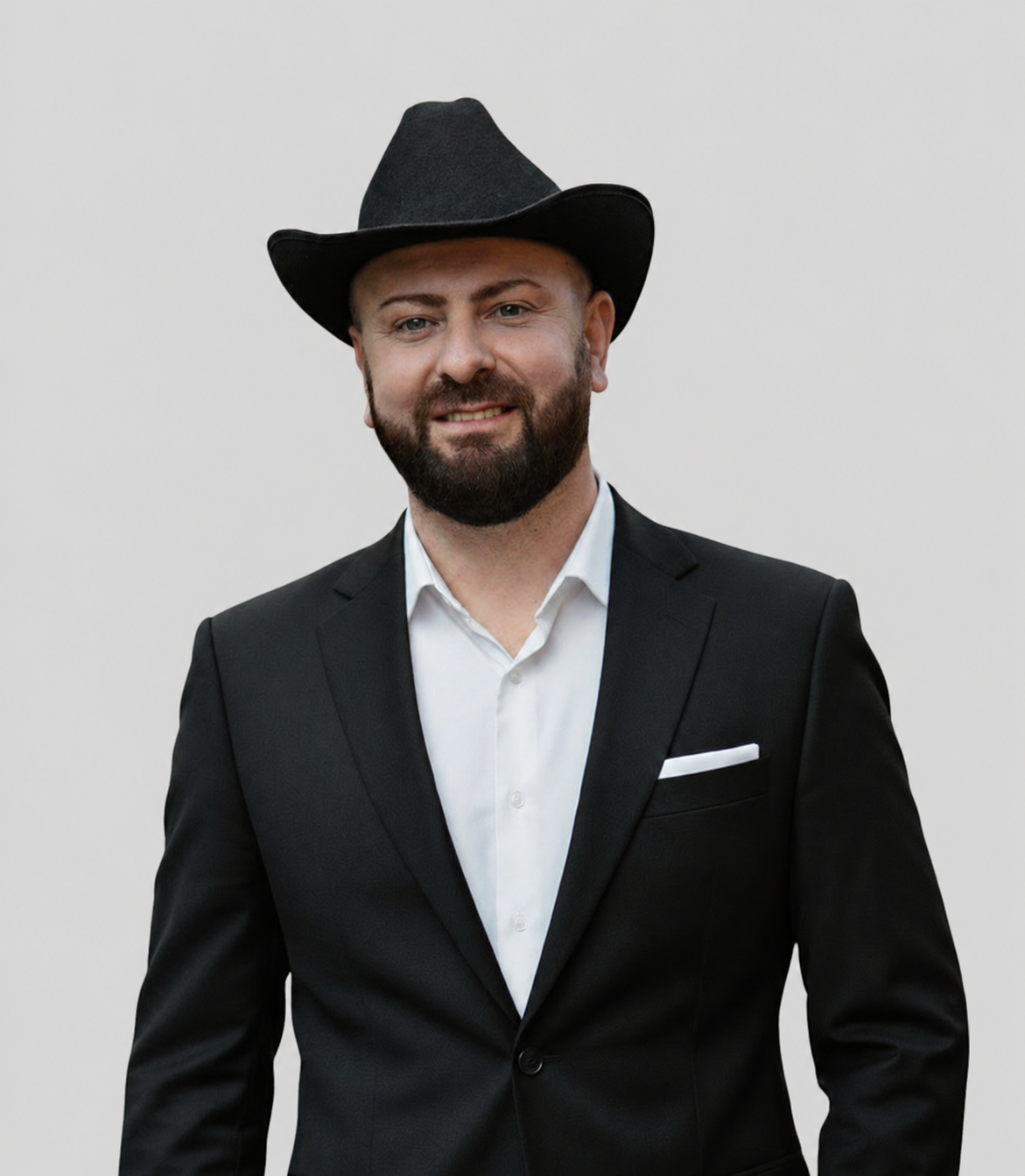
Elfik Zohrabyan (Ryan Popa) appears in this scene from Purgatory alongside actress Victoria Aleksanyan Syfret (Ophelia Bancu), a New York Film Academy alumnus who currently resides in England.
Greg Freeman: Years ago, when I interviewed you for Asbarez Armenian News in L.A., you mentioned the conflicts between Armenia and Azerbaijan, and the territory situated between the two. You seemed optimistic about peace and better understanding between the longtime rivals. I understand some progress has been made on that front. Any thoughts you might wish to share about that?
Elfik Zohrabyan: In August 2025, in Washington, the leaders of Armenia and Azerbaijan signed a joint declaration and initialed a draft peace agreement - a real step toward ending the long conflict over Artsakh, or Karabakh. The full treaty has not yet been signed and ratified, and much still depends on how it is carried out, but the direction is toward peace, and that gives reason for hope. The agreement touches on the demarcation of borders, cooperation on security, and the gradual normalization of relations.
We must remember the pain behind these words. In 2023, more than 120,000 Armenians left their homes in Artsakh and came to Armenia. Armenians have lived in that land, with its many ancient churches, since the earliest times; Azerbaijanis lived there in the 20th century as well. It grieves us deeply that some of those churches are now being destroyed, for they belong not only to us but to the heritage of the whole world. And yet our two peoples were once good neighbors. Armenians love peace; we are builders by nature, not warriors. Let us hope this agreement does not remain only words on paper.
I have often felt how much Armenians, Georgians, and Azerbaijanis share. Life is short - a person scarcely has time to enjoy it before death arrives - and war is among the greatest evils humanity has made. It shows that no moral law can stand against brute force, and that one is forced, in the end, to rethink everything one believed about life.
Greg Freeman: Any exciting things coming in the near future for you and your creative pursuits?
Elfik Zohrabyan: I hope to see my fairy tales translated and published in English. They have already found a welcome beyond Armenia - they were honored in the Mark Twain International Literary Prize, which moved me more than I can say - and when I took part in an international festival in Germany, several of the stories were translated into German. Readers there asked whether they could buy a book; there was none yet to give them. I would love for the stories to travel into other languages as well; readers who discover one or two translations always seem to wish for more.
Greg Freeman: Well, here's to many more years of writing and even greater successes, and I hope your work travels to the far reaches of our world, exploring human nature, provoking thought and captivating readers of all ages and backgrounds. Thanks for your time, my friend. This has been a pleasure.
9 June 2026. By Greg Freeman
Elfik Zohrabyan: In August 2025, in Washington, the leaders of Armenia and Azerbaijan signed a joint declaration and initialed a draft peace agreement - a real step toward ending the long conflict over Artsakh, or Karabakh. The full treaty has not yet been signed and ratified, and much still depends on how it is carried out, but the direction is toward peace, and that gives reason for hope. The agreement touches on the demarcation of borders, cooperation on security, and the gradual normalization of relations.
We must remember the pain behind these words. In 2023, more than 120,000 Armenians left their homes in Artsakh and came to Armenia. Armenians have lived in that land, with its many ancient churches, since the earliest times; Azerbaijanis lived there in the 20th century as well. It grieves us deeply that some of those churches are now being destroyed, for they belong not only to us but to the heritage of the whole world. And yet our two peoples were once good neighbors. Armenians love peace; we are builders by nature, not warriors. Let us hope this agreement does not remain only words on paper.
I have often felt how much Armenians, Georgians, and Azerbaijanis share. Life is short - a person scarcely has time to enjoy it before death arrives - and war is among the greatest evils humanity has made. It shows that no moral law can stand against brute force, and that one is forced, in the end, to rethink everything one believed about life.
Greg Freeman: Any exciting things coming in the near future for you and your creative pursuits?
Elfik Zohrabyan: I hope to see my fairy tales translated and published in English. They have already found a welcome beyond Armenia - they were honored in the Mark Twain International Literary Prize, which moved me more than I can say - and when I took part in an international festival in Germany, several of the stories were translated into German. Readers there asked whether they could buy a book; there was none yet to give them. I would love for the stories to travel into other languages as well; readers who discover one or two translations always seem to wish for more.
Greg Freeman: Well, here's to many more years of writing and even greater successes, and I hope your work travels to the far reaches of our world, exploring human nature, provoking thought and captivating readers of all ages and backgrounds. Thanks for your time, my friend. This has been a pleasure.
9 June 2026. By Greg Freeman

Copyright 2022 - 2026
ListenHereNow.com publisher Greg Freeman is an author, editor, recording artist, songwriter, amateur visual artist and lifelong horse lover, as well as an avid gardener and daffodil hybridist, judge and exhibitor.
Connect with ListenHereNow.com publisher and editor Greg Freeman on social media!


The Greg Freeman Media portfolio of digital publications includes sites devoted to the American South, gardening, horse breeding and so much more!.


